Secondhand Clothing Guide For Shopping
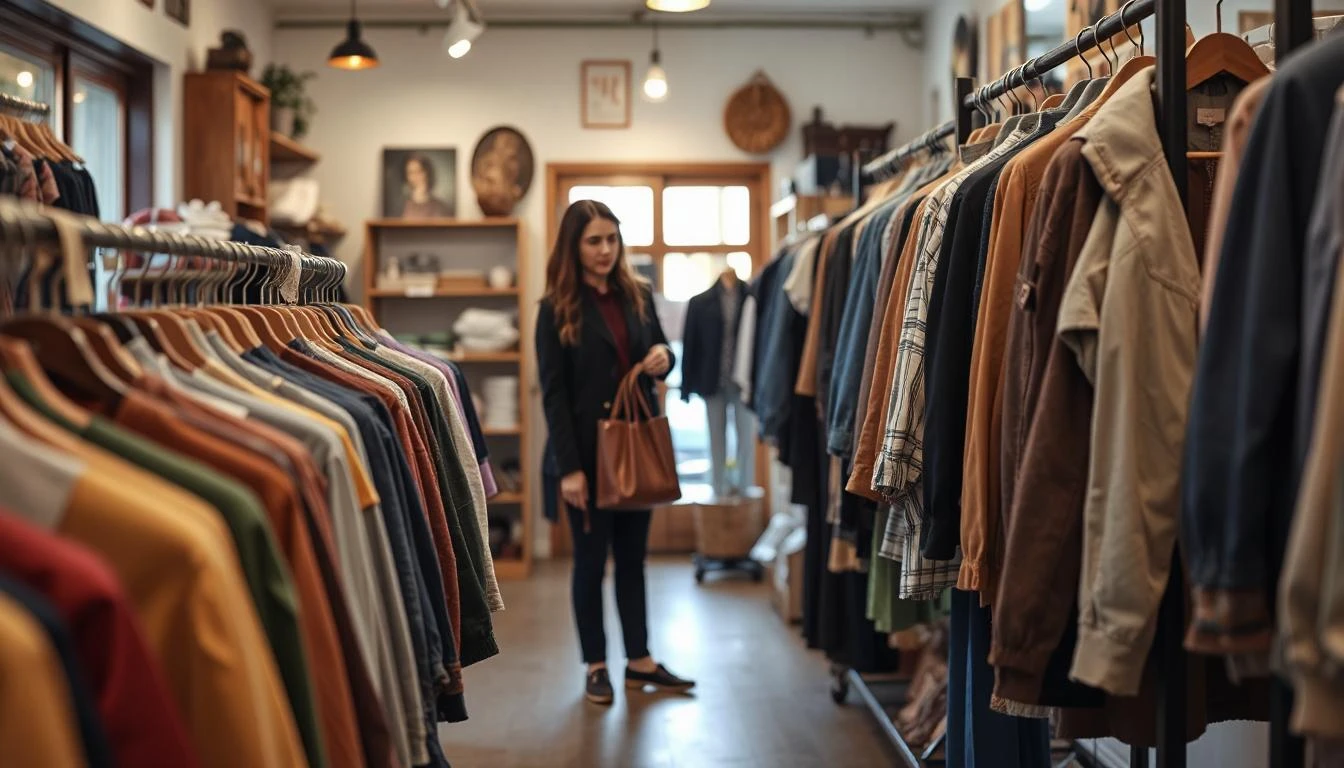
Fashion trends come and go, but smart shopping habits never lose their value. Across the globe, more consumers are turning away from disposable fashion and searching for clothing options that offer individuality, affordability, and long-term value. Hidden among thousands of listings and store racks are unique garments with stories, craftsmanship, and character that often cannot be found in traditional retail stores.
Today, used clothes shopping has evolved into a global phenomenon that extends far beyond thrift stores. From premium resale platforms to local marketplaces, shoppers can access quality clothing, rare vintage pieces, and designer items at significantly lower prices. If you have ever wondered how experienced buyers consistently discover exceptional fashion finds, this guide will help you understand exactly where to look and what to prioritize.
The Rise Of Secondhand Clothing In Fashion
As fashion consumers become more conscious of spending habits and environmental impact, the secondhand clothing industry continues to experience remarkable growth. What was once considered an alternative shopping method has become a mainstream fashion movement embraced by students, professionals, collectors, and style enthusiasts alike.
One of the reasons behind this shift is the growing interest in secondhand fashion tips, as shoppers actively seek practical ways to find quality pieces while building a wardrobe that feels personal and distinctive. The appeal goes beyond saving moneyit is about discovering fashion opportunities that traditional retail often cannot provide.
Why Thrift Fashion Is Becoming Popular
Thrift fashion has gained momentum because consumers increasingly value uniqueness over mass production. Instead of purchasing the same items available to millions of shoppers, people are searching for clothing that reflects their individual style and personality.
Social media has also accelerated this trend. Fashion influencers regularly showcase remarkable thrift finds, inspiring audiences to explore secondhand options and experiment with styles they may not have considered before. The result is a growing community that celebrates creativity and conscious consumption.
Benefits Of Sustainable Clothing Choices
Sustainability remains one of the strongest drivers behind the growth of secondhand fashion. Purchasing pre-owned garments extends the lifespan of existing clothing and helps reduce textile waste that would otherwise end up in landfills.
Fashion sustainability expert Orsola de Castro once stated that "the most sustainable garment is the one already in your wardrobe." This perspective highlights why many consumers now view secondhand shopping as a practical way to reduce environmental impact without sacrificing style.
In addition, related concepts such as sustainable fashion, eco-friendly wardrobes, circular fashion, clothing resale platforms, and ethical fashion choices continue to strengthen the relevance of secondhand clothing in today's market.
How Secondhand Fashion Saves Money
Beyond sustainability, financial benefits remain a major attraction. Many shoppers discover premium-quality garments at a fraction of their original retail prices, allowing them to maximize value while maintaining a stylish wardrobe.
This advantage becomes even more apparent when purchasing outerwear, premium denim, luxury accessories, and designer labels. Instead of paying full retail prices, buyers can access similar quality while keeping their budgets under control.
Types Of Secondhand Clothing
The secondhand market offers a surprisingly diverse range of products. Understanding the different categories available can help shoppers make better decisions and identify opportunities that align with their personal style and budget.
Whether you are searching for everyday essentials or rare collectible garments, knowing where to focus your attention can significantly improve your shopping experience.
Thrift Store Fashion Items
Traditional thrift stores remain among the most popular destinations for secondhand shoppers. These stores frequently receive new inventory, creating opportunities to uncover hidden gems that other buyers may overlook.
Popular categories often include jackets, denim, casual wear, footwear, handbags, and seasonal clothing. Because inventory changes constantly, regular visits often lead to the best discoveries.
Vintage And Retro Clothing Pieces
Vintage clothing occupies a special place within the secondhand fashion world. These garments often feature distinctive designs, superior craftsmanship, and historical significance that set them apart from contemporary fashion.
Pieces from previous decades can introduce textures, cuts, and materials that are rarely found in modern collections. For fashion enthusiasts, vintage shopping offers both aesthetic appeal and a connection to fashion history.
Online Secondhand Marketplaces
Online marketplaces have transformed how consumers access secondhand fashion. Today, buyers can browse thousands of products from sellers around the world without leaving their homes.
These platforms make it easier to compare prices, review seller reputations, verify authenticity, and search for specific brands or styles. As global resale marketplaces continue to expand, consumers gain access to a broader selection than ever before.
Fashion journalist Dana Thomas has noted that the resale market is reshaping consumer behavior by making fashion ownership more circular and accessible. This shift continues to influence how people buy, sell, and value clothing.
How To Shop Secondhand Clothing Smartly
Finding great secondhand pieces requires more than luck. Successful shoppers follow a strategic approach that helps them identify quality products while avoiding common purchasing mistakes.
The more informed your buying decisions become, the easier it is to build a wardrobe filled with valuable and long-lasting pieces.
Checking Quality And Condition Of Clothes
Before making a purchase, carefully examine fabric quality, seams, buttons, zippers, and overall garment construction. Small details often reveal whether a piece will remain durable after repeated use.
When shopping online, reviewing detailed photos and descriptions becomes especially important. If information is limited, requesting additional images can provide valuable insight into the item's condition.
Finding Valuable Vintage Pieces
Recognizing valuable vintage clothing often involves understanding labels, production methods, fabrics, and design characteristics associated with specific eras.
Experienced shoppers frequently research brand histories and garment details before purchasing. Over time, this knowledge helps identify pieces that may hold both fashion and resale value.
Avoiding Low Quality Items
Not every inexpensive item represents a good deal. Excessive wear, damaged fabrics, permanent stains, or poor construction can reduce the overall value of a purchase.
A smarter approach is to focus on quality rather than price alone. Investing in well-made garments often leads to greater long-term satisfaction and fewer replacement costs.
Build A Unique Style With Secondhand Clothing
One of the most rewarding aspects of secondhand fashion is the ability to create a wardrobe that genuinely stands out. Unlike mass-produced collections, secondhand clothing introduces variety, character, and individuality into personal style.
By combining vintage finds, contemporary pieces, and carefully selected accessories, shoppers can develop looks that feel authentic and difficult to replicate. This freedom encourages creativity while helping consumers move away from predictable fashion trends.
The true appeal of secondhand fashion lies in its ability to merge affordability, sustainability, and self-expression. Every garment has its own story, and every purchase becomes an opportunity to create a style that reflects who you are rather than what the latest trend dictates.